How to Choose the Right Paint Colors for Your Home
What’s the Best Season to Paint Your Home’s Exterior?
Dream Vision Painting’s Expert Guide
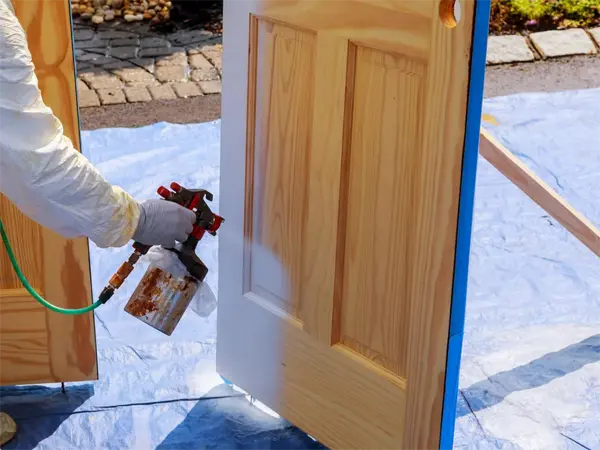
Choosing the right time to paint your home’s exterior is just as important as selecting the perfect color. Weather conditions — including temperature, humidity, wind, and precipitation — play a major role in how well paint adheres, dries, and performs over time. Even the highest-quality paint can fail if it’s applied in poor conditions.
At Dream Vision Painting, we help homeowners plan their projects carefully so their exterior paint not only looks great but also lasts for years. As a trusted exterior painting company, we base our recommendations on proven conditions that support proper curing and long-term durability.
Why Weather Matters When Painting Outdoors
Professional painters and paint manufacturers agree: the environment you paint in directly affects the success of the job. Paint is designed to dry and cure within a specific temperature and humidity range. When those conditions aren’t met, issues can occur that compromise the finish.
If it’s too hot, paint may dry too quickly, preventing proper bonding to the surface. If it’s too cold or humid, paint may stay tacky longer than intended, increasing the risk of blistering, cracking, or premature failure. Wind and direct sunlight can also cause paint to dry unevenly or collect debris before curing.
This is why working with an experienced exterior painting company makes a difference professionals know how to adjust scheduling and techniques based on real-world conditions.
Best Times of Year for Exterior Painting
Below is a seasonal breakdown to help homeowners understand when exterior painting is most effective:
Spring – A Strong Starting Point
Late spring is often one of the best times to paint a home’s exterior. Temperatures are typically mild, humidity levels are lower, and weather patterns become more stable. These conditions allow paint to adhere properly and cure at an even pace.
That said, early spring can still bring rain and fluctuating temperatures. A professional exterior painter can help determine when conditions are consistently safe to begin your project.
Summer – Works Well With Proper Planning
Summer can be an excellent season for exterior painting when managed correctly. As long as temperatures stay within a safe range (usually 50–85°F / 10–29°C), paint can perform very well.
Professional painters often schedule early morning starts and work around shaded areas to avoid extreme midday heat. This level of planning helps ensure smooth application and long-lasting results something a reliable exterior painting company prioritizes on every project.
Autumn – A Prime Painting Window
Fall is often considered the ideal season for exterior painting. Warm days, cooler nights, and lower humidity create some of the most predictable painting conditions of the year.
These balanced temperatures allow paint to dry evenly and form a strong bond with siding, trim, and other exterior surfaces. Many homeowners choose fall for their exterior projects because of the consistent results it delivers.
Winter & Early Spring – Proceed With Caution
Winter and early spring are generally the least favorable times for exterior painting. Cold temperatures, frost, strong winds, and unpredictable precipitation can prevent paint from curing properly.
When temperatures drop below manufacturer recommendations, paint may crack, peel, or fail prematurely. While certain specialty coatings exist, most exterior painting projects are best scheduled when weather conditions are more stable.
Tips for Planning Your Exterior Paint Project
To get the best results from your exterior paint job, keep these tips in mind:
Check extended weather forecasts before scheduling
- Avoid painting if rain is expected within 24–48 hours
- Make sure nighttime temperatures stay within recommended ranges
- Use high-quality exterior paint products
- Work with a professional exterior painting company that understands local weather patterns
At Dream Vision Painting, we evaluate local conditions and build a painting timeline that reduces risk and maximizes durability helping you avoid unnecessary callbacks or early paint failure.