How to Choose the Right Paint Colors for Your Home
Why Exterior Paint Peels and How to Prevent It
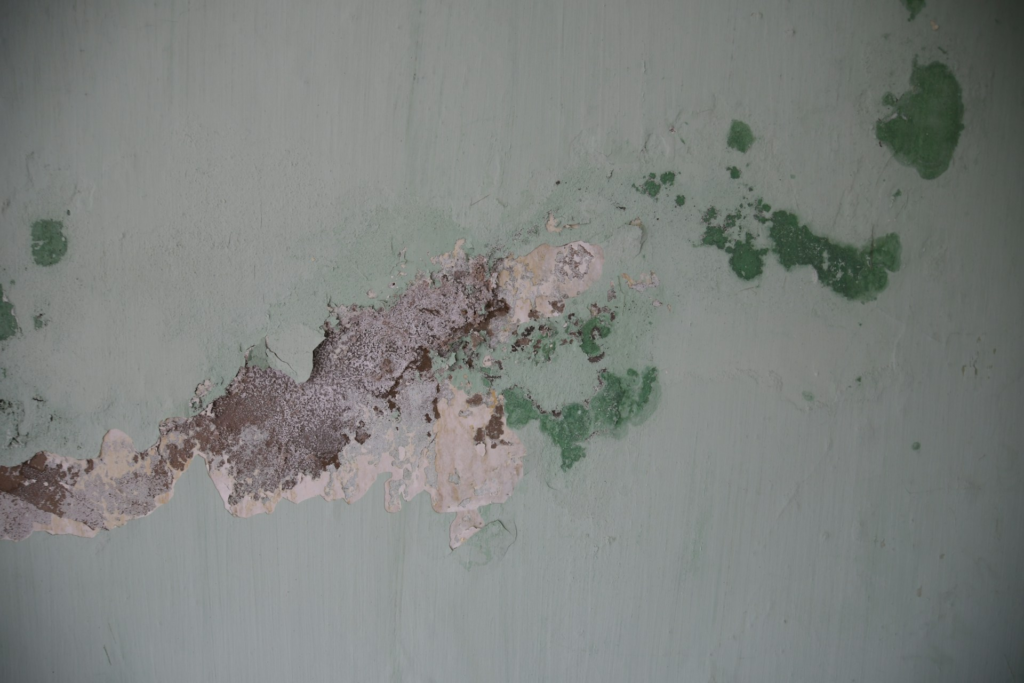
Peeling exterior paint is one of the most frustrating issues homeowners face. Not only does it make a home look neglected, but it also exposes siding, trim, and wood surfaces to moisture, rot, and long-term structural damage. If peeling paint is ignored, minor cosmetic problems can quickly turn into costly repairs. Understanding why exterior paint peels is the first step toward preventing future failures and protecting your home’s value.
Moisture Is the Leading Cause of Peeling Paint
Moisture is by far the most common cause of exterior paint peeling. When water seeps behind painted surfaces, it creates pressure that pushes the paint away from the substrate. This can happen through cracks in siding, gaps around windows and doors, unsealed joints, or deteriorated caulking.
Common sources of moisture include:
- Leaking or clogged gutters
- Poor drainage around the foundation
- Cracked siding or trim
- High humidity levels
- Inadequate ventilation inside the home
Before repainting, it’s critical to identify and correct these moisture problems. Proper caulking, sealing, and water management ensure that new paint has a dry, stable surface to adhere to and prevents peeling from reoccurring.
Poor Surface Preparation Leads to Paint Failure
No matter how good the paint is, it will fail if the surface underneath isn’t properly prepared. Paint needs a clean, solid, and dry surface to bond correctly. Painting over dirt, chalky residue, mildew, or loose paint dramatically reduces adhesion and causes peeling over time.
Skipping important preparation steps such as power washing, scraping failing paint, sanding rough areas, and applying primer can shorten the lifespan of an exterior paint job. Bare wood, patched areas, and exposed surfaces must always be primed to ensure proper bonding and even coverage.
Low-Quality or Incorrect Materials
Using low-grade paint or the wrong type of product is another major cause of peeling. Exterior paints are specifically formulated to withstand UV exposure, moisture, and temperature changes. Interior paints or cheaper products often lack the flexibility needed to expand and contract with seasonal weather shifts.
High-quality exterior paints may cost more upfront, but they provide better coverage, stronger adhesion, and a much longer lifespan—saving money in the long run.
Painting in the Wrong Weather Conditions
Exterior paint must be applied under the right conditions to cure properly. Painting during extreme heat, cold, rain, or high humidity can prevent proper drying and curing. When paint doesn’t cure correctly, it remains weak and more susceptible to peeling, blistering, or cracking.
Always follow the manufacturer’s recommended temperature and humidity guidelines, and avoid painting when rain or heavy moisture is expected.
How to Prevent Exterior Paint from Peeling
Preventing paint peeling starts with proper planning and execution. Key steps include:
- Addressing moisture and drainage issues before painting
- Thoroughly cleaning and preparing all surfaces
- Scraping and sanding loose or failing paint
- Applying the correct primer for the surface
- Using high-quality exterior paint
- Painting only in recommended weather conditions
Working with a trusted exterior painting company ensures that every step is done correctly, from preparation to final application.
Professional Evaluation Makes a Difference
A professional painter can identify the underlying causes of peeling paint and recommend the right solutions before repainting begins. Rather than simply covering up the problem, professionals address moisture issues, surface damage, and product selection to ensure long-lasting results.
Investing in proper preparation and professional expertise helps protect your home, improves curb appeal, and ensures your exterior paint lasts for years to come.
Well-maintained paint not only looks better but also protects your home’s surfaces. Regular care extends the lifespan of your paint and delays the need for repainting, saving money over time.